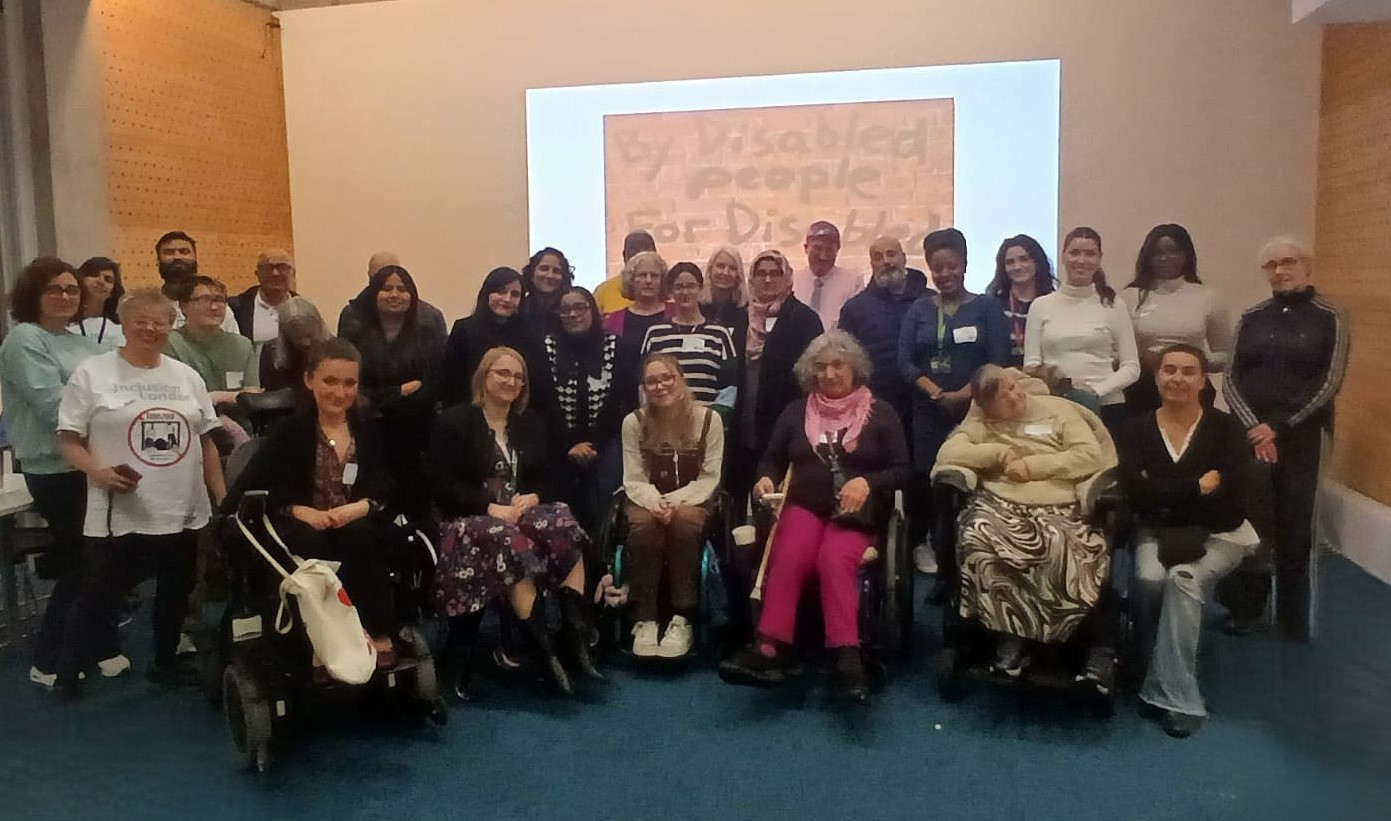
The following are notes from the Council’s Transport Liaison Group, which was attended for the KDN by Secretary Keegan Hillier.
- SL7 fleet are now electrified
- News box at kingston station lights is currently removed
- Fix my street isn’t accessible for the visually impaired who can’t use a map – and when members make mistakes and put pins in the wrong places / boroughs, the issues aren’t communicated to the right councils. Streetcare has a phone number but needs more promotion and improvements. TfL attendee notes these.
- Cromwell road bus station has been mentioned to the accessibility delivery group within TfL
- Keegan suggested reminding these teams that it’s financially better if they do things right the first time.
- 31st August to 15th September – the freedom passes website will be shut down these dates
- Roy raised floating bus stops and how there’s a campaign for them to be made illegal.
- TfL contact agrees to ask for an update about floating bus stops.
- Greener buses are leading to less childhood asthma and lung damage – will ease stress on healthcare, in schools, and bring greater prospects for young people in Kingston.
- KAB has been given a grant called greener roots for an audio guide to connect with the hogsmill river – mp3 files will be on the website about different parts of the river eg art, culture, nature. Also street guides for those who need additional help.
- Berrylands renovations are on track to open at the end of September on schedule, and are within budget – new platforms will be flat and level.
- Odette asks for orientation for blind members using Berrylands station – Network Rail says they will arrange with an accessibility officer.
- Ashley has since asked if KDN can be included in this orientation offer
- Odette asks for orientation for blind members using Berrylands station – Network Rail says they will arrange with an accessibility officer.
- APCOA are now moving bikes out of highways and off from the middle of pavements. Lime bikes can take from hours to days to collect and move bikes.
- Will be a micromobility officer from september for a few months to help support in communications with bike companies.
- There’s no Lime bike contact for the council due to lack of contract, but there is a contact for Forest so they are more responsible / accountable.
- Keegan raises trying to educate people more on where you can and can’t leave a bike.
- Hillary Gander mentions that lots of e-cyclists have never ridden a bike since they were young – they aren’t trained on proper bike etiquette. KCC is aware but wondering what more can be done.
- Cllr Nardelli is surprised to hear about the number of e-cyclists without prior experience – agreement on need to educate.
- Roy suggests the Council use lets talk emails to keep residents informed on things like cycling rules and signage.
- TfL funding has been allocated for priority bays and ebike bays on the road. These roadside bays are the first in the borough.
- There will be a requirement for whoever wins the ebike contract in September that there are more bikes going to the south of the borough, improving travel prospects and access.
- KCC would like more liaising involved in the Fountain Roundabout.
- Delivery apps are only paying when you deliver in time slots – incentivises dangerous .
- Police community board being set back up after 2 years in KT
- Cllr Nardelli says she imagines dangerous high speed e-bikes will be a priority on this board.
- Currently it’s hard to get the police to act without the home office coming along.
- Idminston Road will be getting bollards put in in the next few weeks.
- 2 new school streets to committee in September – Coombe Girls and Robin Hood Vale.
- Changes to school streets exemptions – making it easier for kids and drivers to get exemptions. Taxi drivers can also retrospectively call the team to let them know they have dropped off a disabled child in a school zone (48 hours after).
- Taxi representative suggests automatically exempting all taxis, as this has been done in some other boroughs.
Names mentioned and their organisations
Roy – Roy Smith of Kingston Association for the Blind / Kingston Sightloss Support
Odette – Odette Battarel of Kingston Association for the Blind / Kingston Sightloss Support
Cllr Nardelli – Cllr Nicola Nardelli, chair of the Transport Liaison Group
Keegan – Keegan Hillier of the KDN
Hillary Gander – Hillary Gander of Kingston Cycling Campaign (KCC)
APCOA – parking enforcement agency